QA or the Highway 2025: the conference was one stop on a three-week research trip
In 2025 I went back to Columbus, but the conference wasn't really the destination. It anchored a three-week US road trip that doubled as user research for an app I hadn't shipped yet.
Most people go to a conference and fit some travel around it. In 2025 I did it the other way round. QA or the Highway was the fixed point of a three-week trip across the US, and most of what I learned on that trip happened away from the venue.
I never wrote this one up at the time. A year on, with BowSmith live on the App Store since July 2026, I can see what that trip was: the first round of user research for a product that, back then, existed mostly as an idea and a growing set of prompts.
Going back to a conference changes what you're there for
My first QA or the Highway, in 2024, was the 10th anniversary edition. The day started with breakfast at 7am, I gave a remote leadership talk, and I was more stressed about it than I wanted to admit. I wrote about that in the 2024 recap and won't repeat it here.
The second time is different. You know the format, you know a few faces, and you aren't spending half your attention on how the room works. That attention goes somewhere else. In 2025 it went to listening.
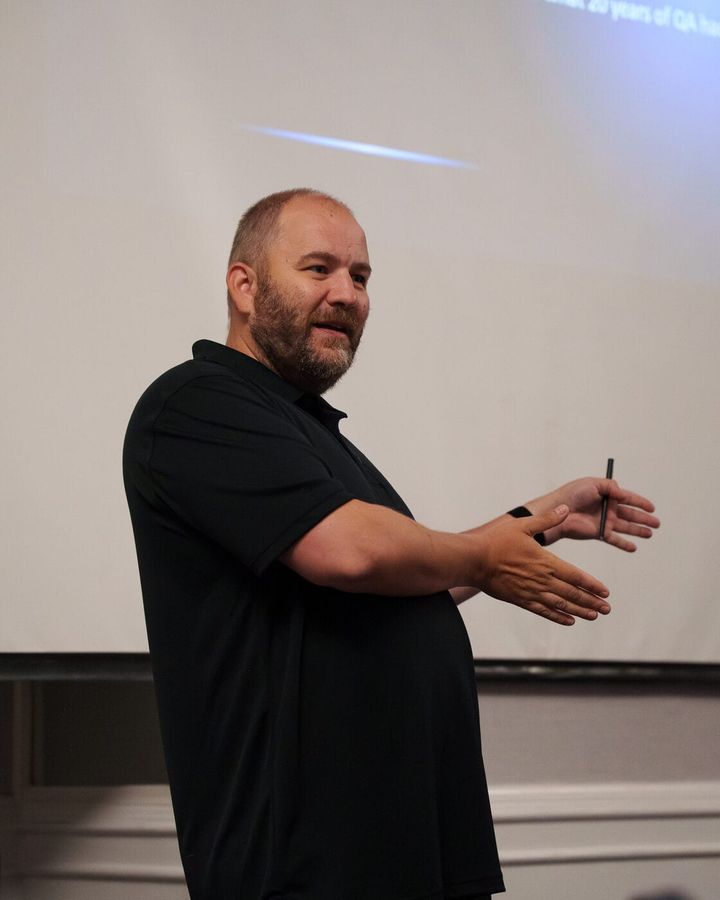
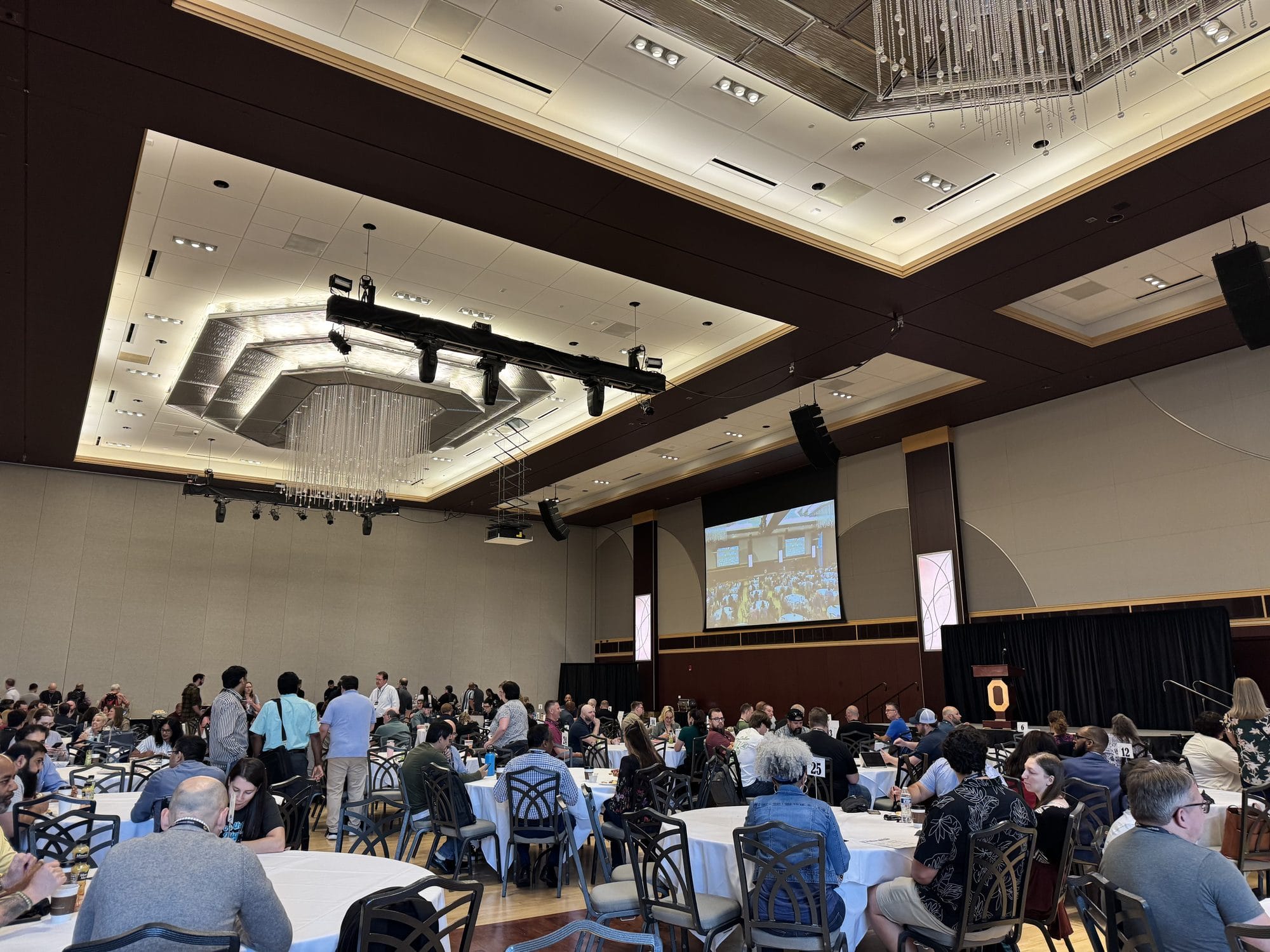
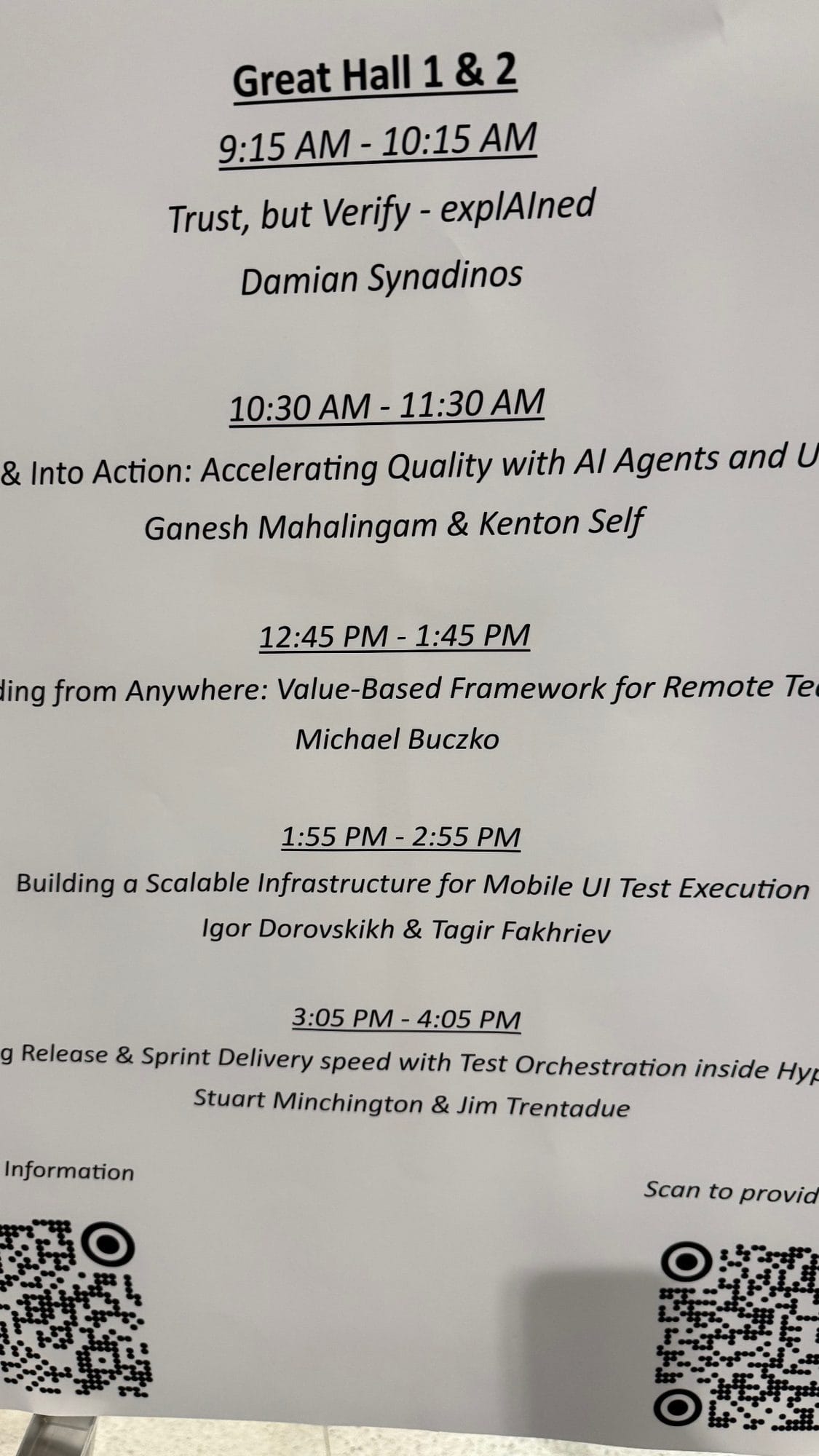
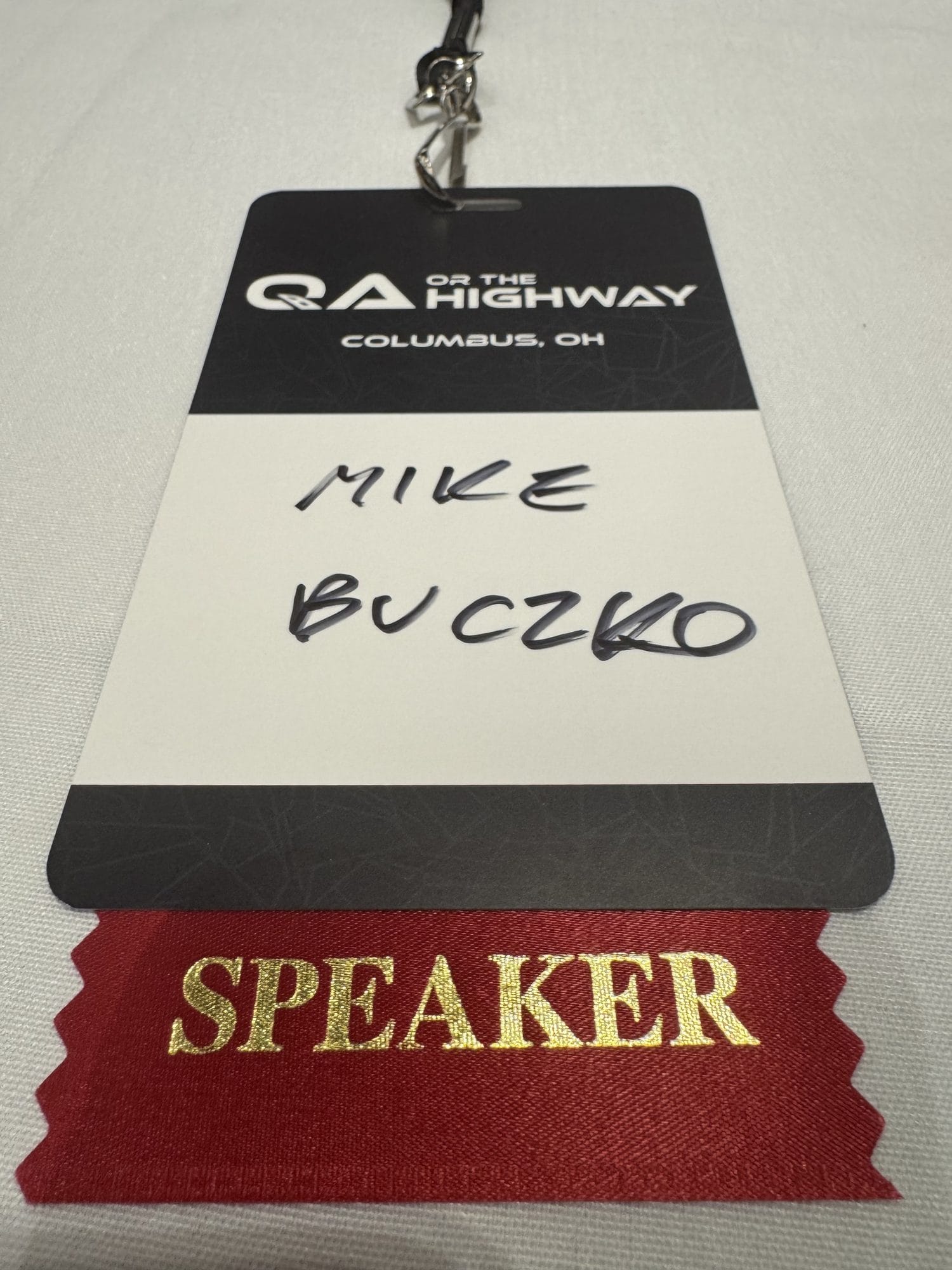
My talk this time was "Leading from Anywhere: Value-Based Framework for Remote Teams", at 12:45 in Great Hall 1 & 2. The line that got the room talking was "Hybrid is still remote." With hybrid work spreading across US companies in 2025, a lot of teams were treating remote practices as something they had left behind. My point was simple: if even one team member is remote on a given day, the whole team is still a remote team that day, and the remote practices still apply.
Three weeks, seven stops, one question
The trip ran from 20 June to 12 July 2025. The conference was in Columbus on 27 June, and around it came New York, my first US Independence Day in Philadelphia, Washington DC, Baltimore, Cleveland, and Niagara Falls from the Buffalo side.
As a holiday route, that's a classic. As a research route, it was a way to hear from a lot of American archers in a short time. Along the way I visited pro shops and talked with US 3D archers and bowhunters. The question underneath every one of those conversations was simple: what would make an archery app worth opening in the field, and what would make you delete it?
The answer that kept coming back surprised me. All the technology growth in archery had gone into the gear. Almost none of it had gone to the archer. In shop after shop we talked about how much was still done the old way, with paper notes for bow settings and paper score cards on the range. That gap is what turned BowSmith from a side idea into a plan: put it on the market as soon as AI was capable of helping me deliver it.
A pro shop is a better test environment than a meeting room
This is the part that connects the two halves of the trip, and it's the part I keep coming back to.
At the conference I was among practitioners. These are people who think about quality for a living, who understand test strategy, risk and coverage. In the pro shops I was among users, people who would never use the word "requirement" and who know exactly what they need.
Both rooms are useful. They are not interchangeable. A quality conference sharpens how you test. A conversation with someone who shoots 3D courses every weekend tells you what to test. If you only spend time in the first kind of room, your test suite gets very good at verifying the wrong things.
I learned that lesson properly a year later. At BowFest 2026 a field full of archers told me things no test suite could, and by then BowSmith had tens of thousands of automated tests. The 2025 pro-shop conversations were the early, quieter version of the same finding. The requirement lives with the user, not in the codebase. It only reaches the codebase if somebody goes and gets it.
The check: look at where your last ten requirements came from. How many came from a conversation with a real user in their real environment, and how many from a ticket written by someone who has never met one? If it's mostly the second kind, a good conference won't fix that, and neither will a bigger test suite.
Combining the two wasn't a compromise
I could have treated the conference and the research as two separate trips, or as a work trip with some tourism added on. Putting them together turned out better than either would have been alone.
The conference reminded me how a quality professional thinks. The shops reminded me how a user thinks. Switching between the two every few days made the gap between them very hard to miss. That gap is where most product risk lives, and you rarely get to stand in it on purpose.
Where it led
A year later BowSmith is live, built through AI orchestration by someone with no iOS background. Users will keep proving some of my assumptions wrong. That's what users are for. What I'm glad about is that the first round of checking those assumptions happened in pro shops in 2025, in conversation, and not in App Store reviews.
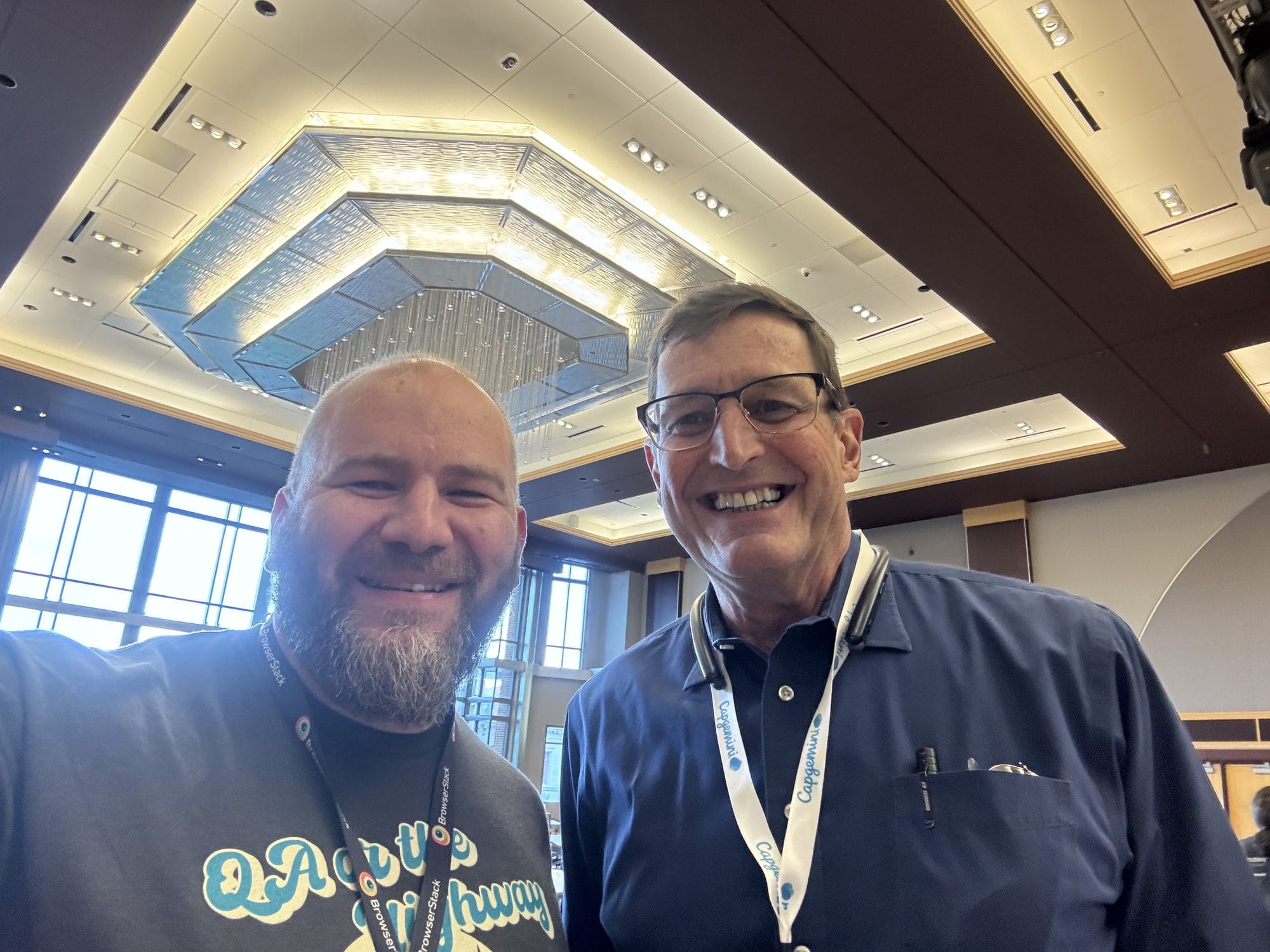
Thank you to the QA or the Highway organisers for having me back, and to every archer who gave a visitor from Poland some of their time.
If you're building something and your requirements only come from tickets, try one trip, one shop or one afternoon with real users before your next planning cycle. Then tell me what surprised you.