IST2025
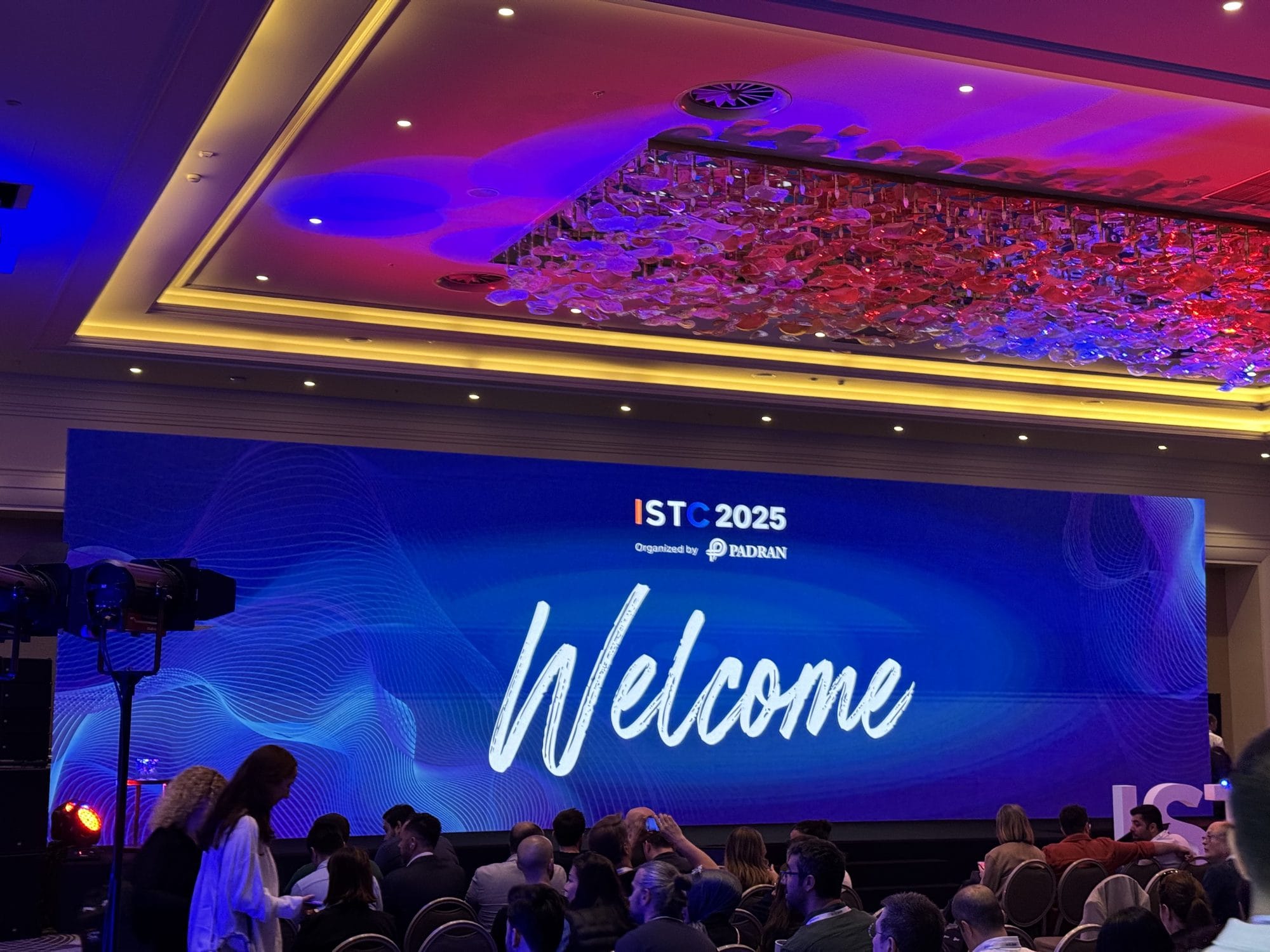
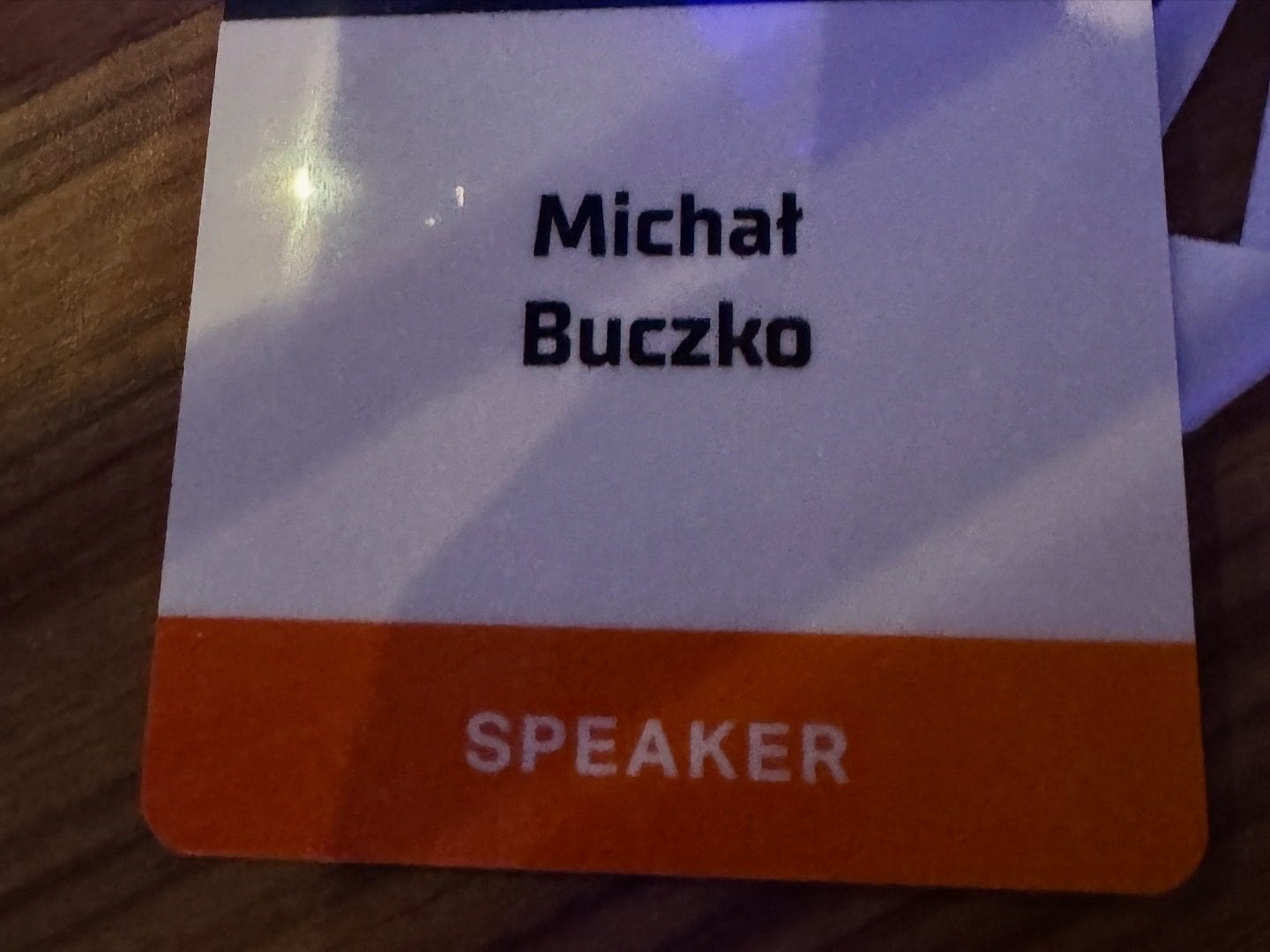
My first conference in Turkey, and a critical-thinking talk in front of a room with no idea who I was. The discussion kept coming back to balancing AI with fundamentals. I now think balance is the wrong word.
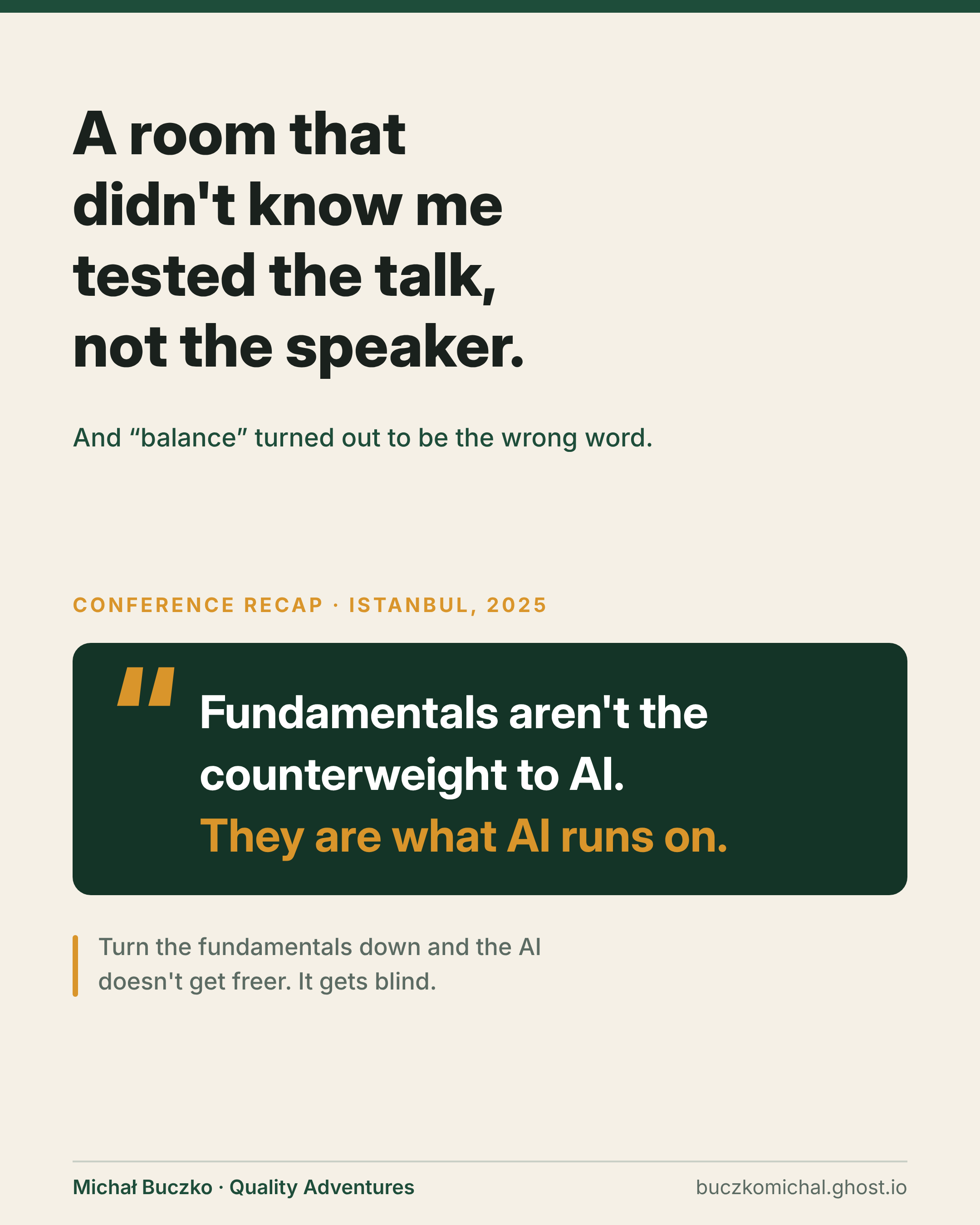
A talk that works at home has passed only half its test. A room that already knows you fills the gaps with your reputation. A room that has never seen you can only use what you actually say.
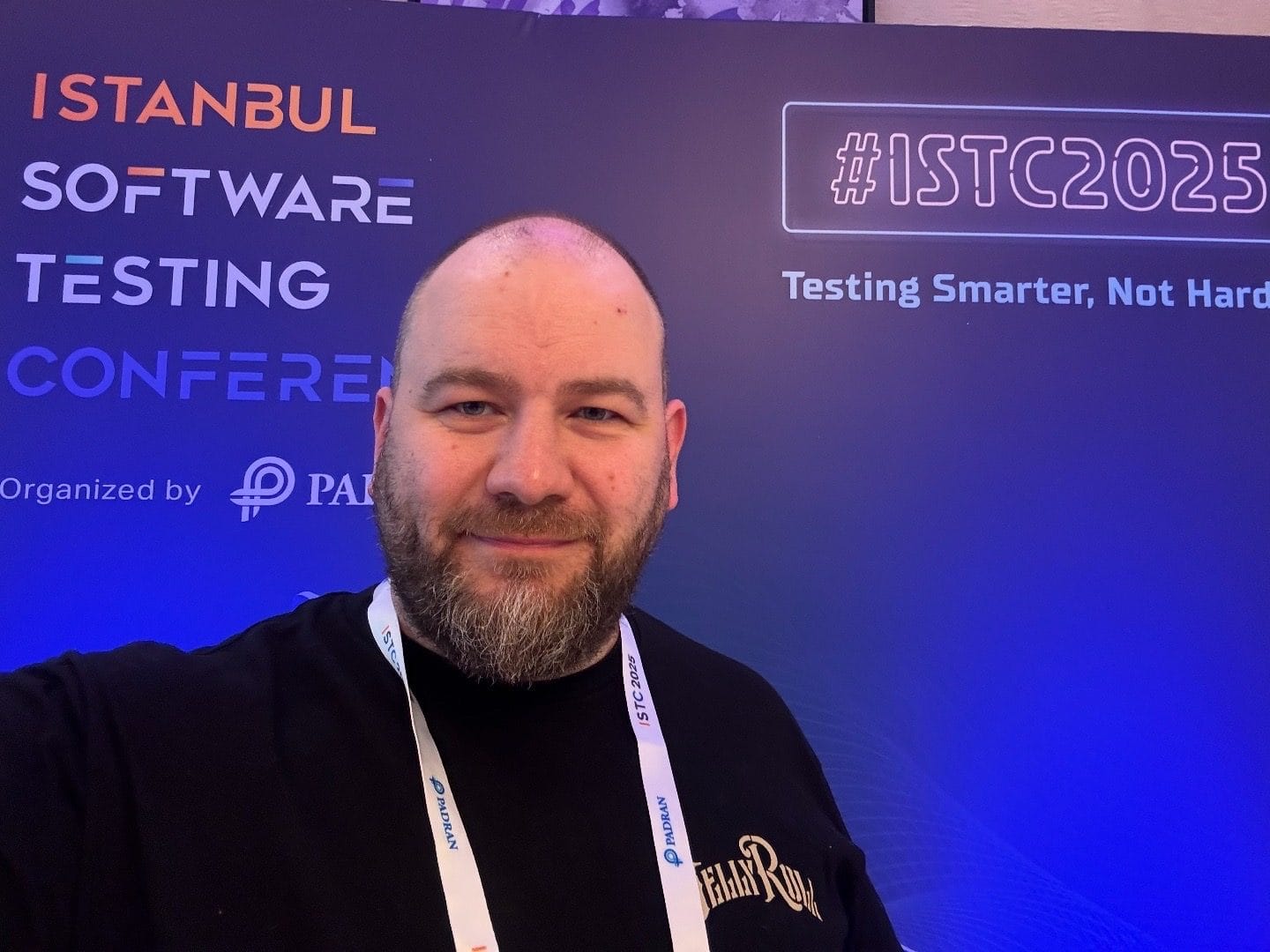
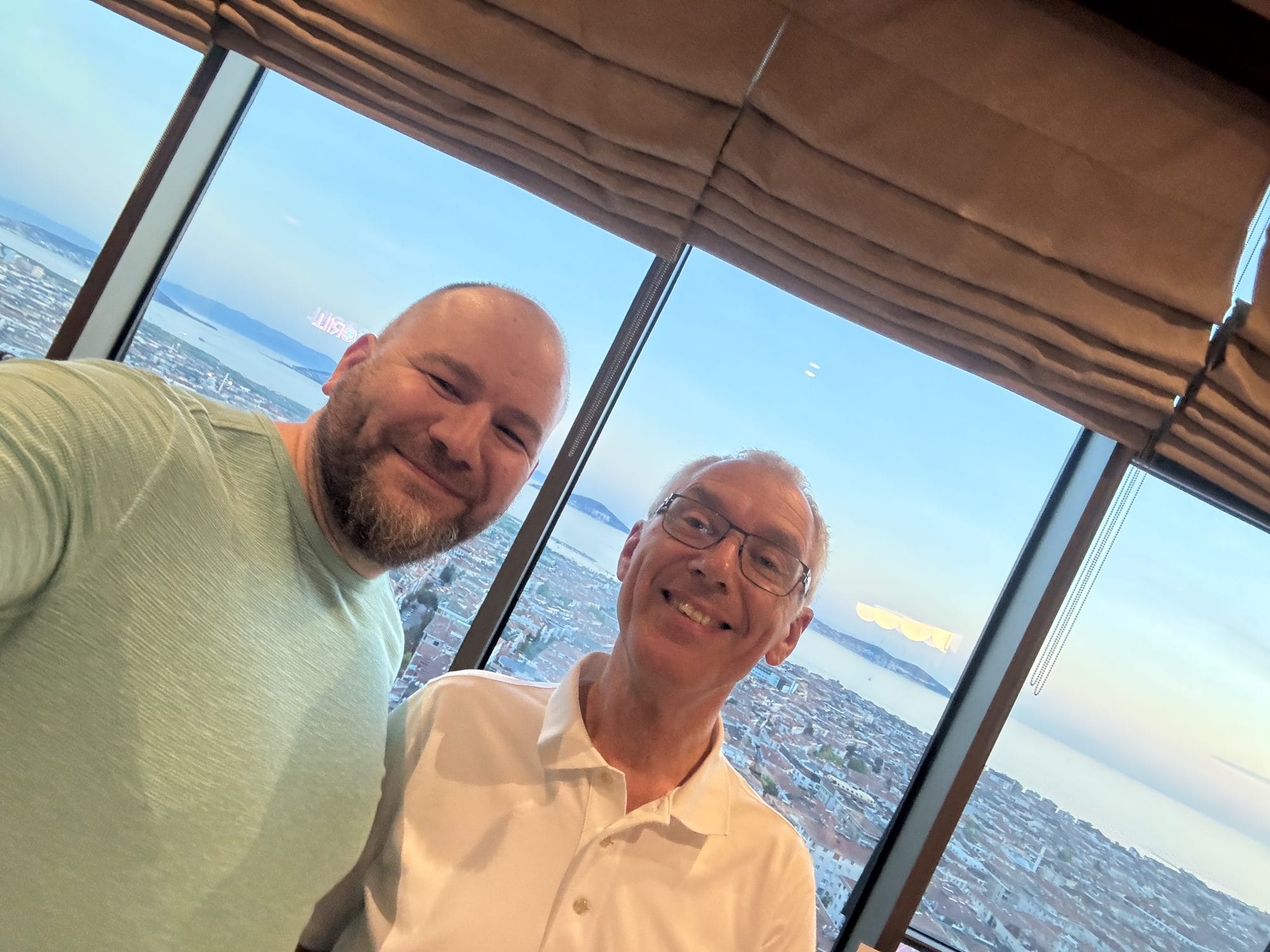
The Istanbul Testing Conference was that kind of room for me. It was my first time in Turkey, and a chance to see how "Critical Thinking Rules in AI-Enhanced Software Testing" would land with an audience that had no history with me. I never wrote it up at the time. Writing it now, in October 2026, I think the questions in Istanbul have aged better than my answers.
Strangers can only judge the argument
At test:fest, a version of the same talk had a decade of goodwill behind it. In Istanbul it had a title on the agenda and a time slot. That is a more honest setting. If the argument was weak, nobody there had a reason to be polite about it.
The questions were engaged, and the discussions kept coming back to the uncomfortable part in the middle: how do you balance what AI tools can do with the quality fundamentals that came before them?
"Balance" is the wrong word for AI and fundamentals
That framing, balancing AI capabilities with quality fundamentals, is reasonable, and it is how I talked about it at the time too. I now think it is subtly wrong.
Balance suggests a trade-off: more of one means less of the other, and you look for the sweet spot. That isn't what I found once I spent the following year building production software through AI orchestration. Fundamentals are not on the other side of the scale from AI capability. They are the input condition for it.
Here is what that looked like in practice:
- Requirements thinking decides whether AI-generated tests mean anything. Without it, the tests adapt to the code instead of the requirements, and the suite proves only that the code agrees with itself.
- Review discipline decides whether AI output gets checked at all. Having the same model review its own work is confirmation bias with extra steps. Knowing that is a fundamental, not an AI skill.
- Gate design decides whether speed is justified. A gate needs a named owner, a defined input, an explicit pass condition and a real consequence on failure. None of those come from the model.
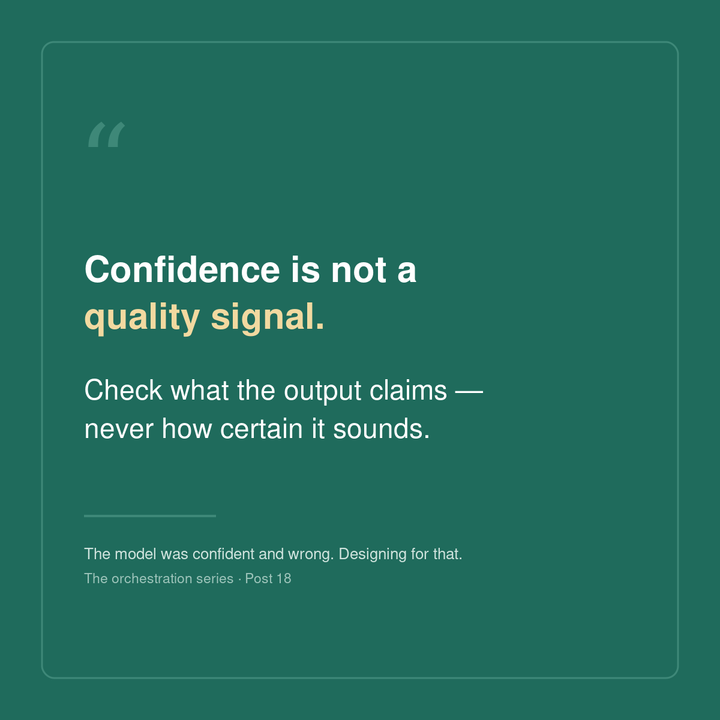
Turn the fundamentals down and the AI does not get freer. It gets blind. More capability with weaker fundamentals doesn't give you a different balance. It gives you plausibility drift at a higher speed. That is the answer I would give in Istanbul today.
The check: next time someone on your team says you need to balance AI adoption with quality practice, ask which specific practice they expect to need less of. If nobody can name one, you aren't balancing anything. You are sequencing: fundamentals first, capability on top.
Why the first room abroad matters more than the tenth
There is a practical lesson in this for anyone who speaks or teaches. Take a new idea abroad early, before it has settled. A home audience tells you whether the talk is good. A foreign audience tells you whether it can be understood without you there to explain it. That is the test that matters if you want the idea to travel past the room.
Istanbul did that for me. Looking back, the most useful thing it gave me wasn't feedback on the talk. It was a framing worth arguing with. The same idea runs through what I wrote this year on why trust is produced, not felt: fundamentals are the machinery that produces trust, not a counterweight to AI.
What I would tell that room now
Looking back across 2025, five conferences in four countries, Istanbul is the one I think about most when someone asks whether AI makes testers less necessary. The people in that room were asking the right question, and asking it early.
Thank you to the organisers and to everyone who brought questions. If your team is having the "how much of the old discipline do we still need" conversation right now, I'd like to hear where it has landed. Or book a Quality Coffee and we can go through it with your actual pipeline in front of us.