Who Signs the Release When AI Writes the Code?
A leadership talk on what a release decision should rest on when a growing share of production code is written by AI.
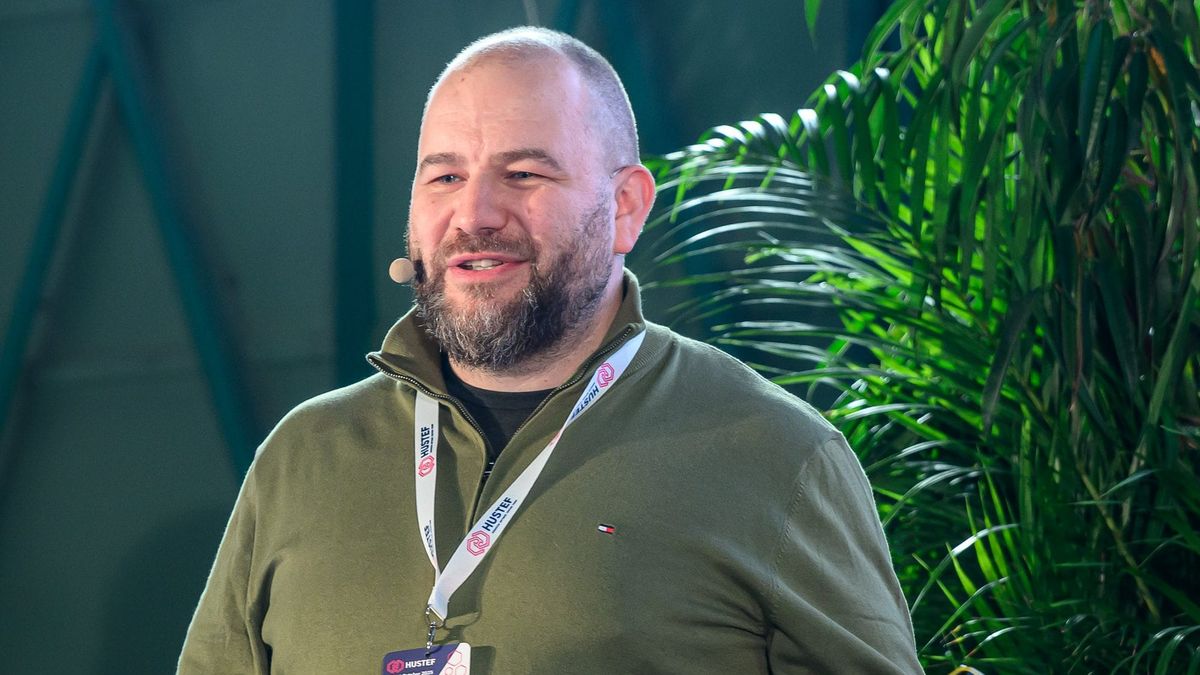
By Michał (Mike) Buczko, quality and delivery leader at Carrier/Viessmann.
AI assistants now write a growing share of production code, but somebody still has to say "this is good enough to ship". That signature has not been automated, and in most organisations nobody has redefined what it should rest on. This talk argues that the release decision needs different evidence, differently placed gates and a different job for QA people.
I approve software releases across 25+ R&D teams, and I spent 20 months building and shipping an app with AI agents to see the problem from the inside.
What the talk covers
- Why the release signature is still a human act, and what it rests on today in most organisations.
- What evidence a release decision needs when the author is a machine. Test count is not that evidence: AI-generated tests tend to match the code, not the requirement.
- Where quality gates belong in an AI-assisted pipeline, and which existing gates can be dropped.
- What makes a gate real: a named owner, a defined input, an explicit pass condition and a consequence on failure.
- Why review needs independence: a model that reviews its own output shares its own blind spots.
- How the role of QA people changes from finding defects to operating and judging AI output.
Who it is for
Quality leaders, engineering managers, CTOs and CIOs. It is aimed at people who own or influence the release decision, and it does not assume hands-on experience with AI coding tools.
What you take away
- What release evidence to demand when AI wrote part of the code.
- Where to place quality gates, and which ones to drop.
- How to position QA people as AI operators instead of a cost line.
Where I have given it
New for 2027 — available for conferences and company events. It has not been delivered publicly yet.
The talk builds on the experiment I presented at CAST 2026 (recap). Related reading: the speed trap and trust is produced, not felt.
Slides and recordings
This talk is new, so there is no recording of it yet. Slides are available to organisers on request. Recordings of my earlier talks are on the Speaking page.
Format and practical details
- Length: 40–45 minutes plus Q&A. Versions for 30, 60 or 90-minute slots are possible.
- Language: English or Polish. Polish title: "Kto podpisuje release, gdy kod pisze AI?"
- Level: leadership audience; no coding knowledge needed.
- Room and tech: a projector or screen to connect to.
- Formats: conference talk or company event.
Related talks
- Don't Cut Your Testers, Promote Them
- The Speed Trap: Reporting AI Productivity to the Board Without Fooling Anyone
- Workshop: Design Your Quality Gates for AI-Assisted Delivery
Book this talk
To book this talk, start at the Speaking page, book a 30-minute call or message me on LinkedIn.
