A Gate That Works, and a Gate That Only Looks Like One RPIQ, what belongs at each stage of a quality gate pipeline, and the four questions that separate a gate with teeth from expensive decoration.
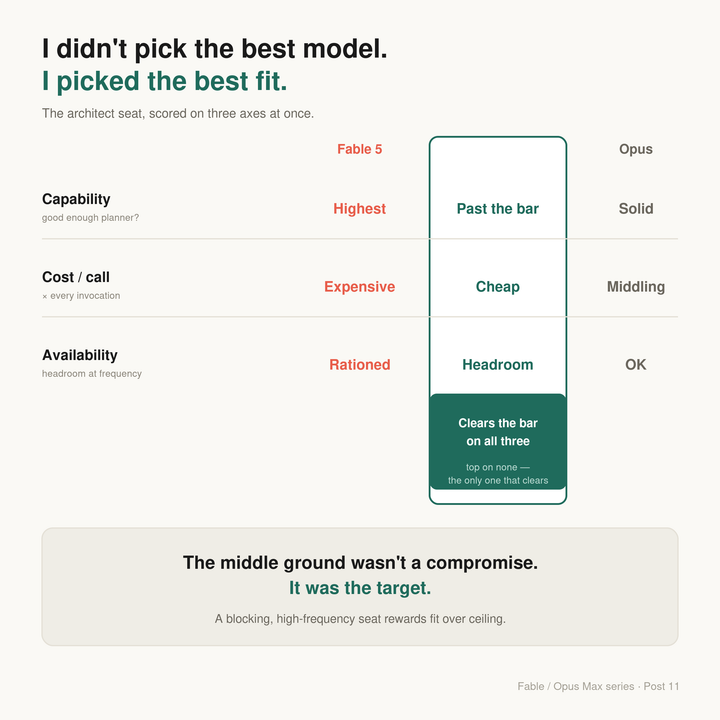
Opus 5: the middle ground I actually chose A tool I relied on vanished, and I scrambled. I wrote a job description for the empty seat and dropped a stand-in into it. The favourite came back, and I found it a different seat rather than its old one. Then I went to a conference and let a room full of sceptics pressure-test the whole thing.
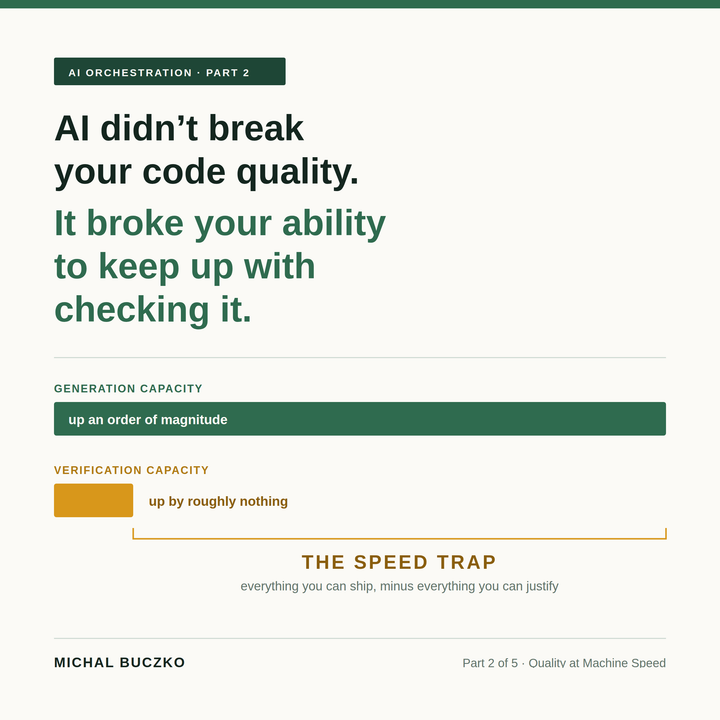
The Speed Trap: AI Made Us Faster Than We Can Justify Last Saturday I promised a deeper look at what actually changes when AI enters the delivery lifecycle. This is it. The short version: the hard part is no longer producing software. It is being able to say, with evidence, why the software you just produced is safe to ship.
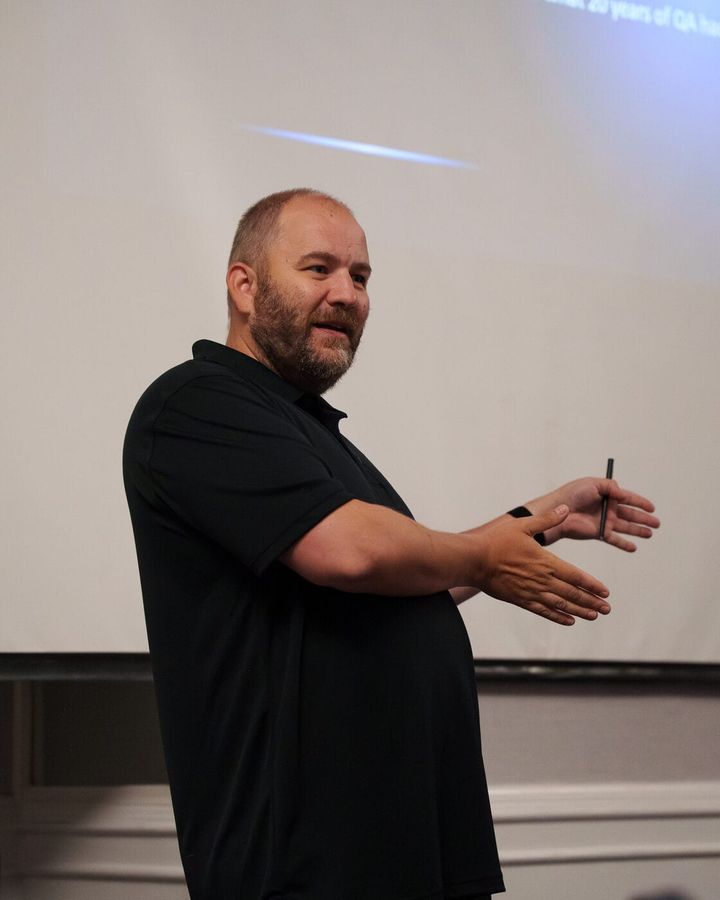
The arc ended on a stage: what a room of testers did to the thesis The slides and the full talk breakdown live on the other track. This isn't that post. This is the other thing that happened at CAST26, and the reason this series ended on a stage at all: seven posts' worth of argument, finally standing in front of a room that got to push back.
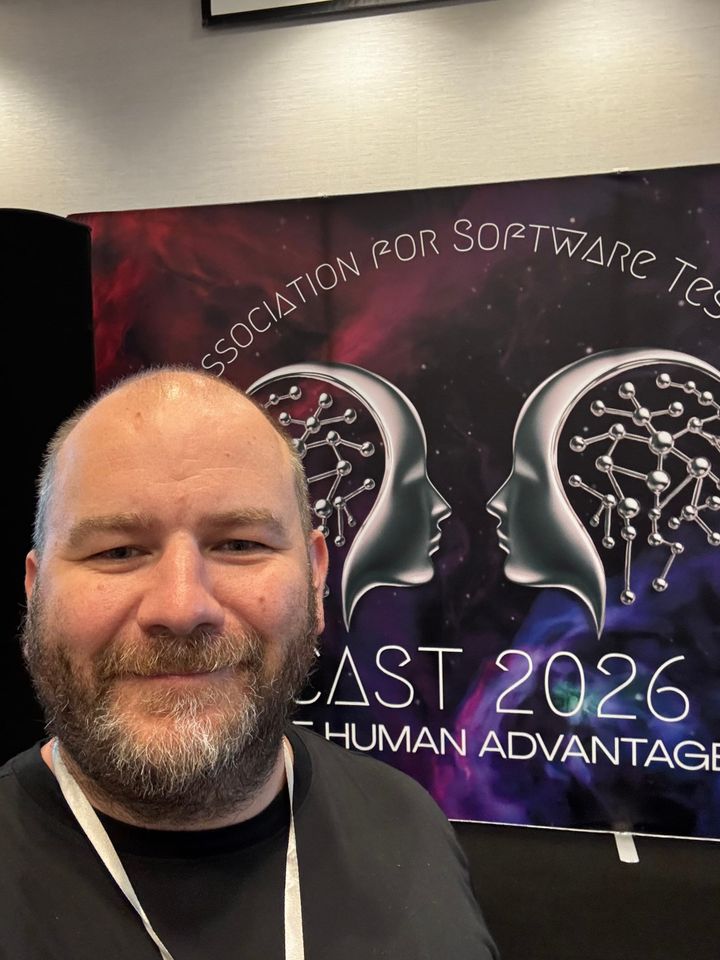
CAST 2026 - Open season: what a room full of sceptics taught me about the quality gate I promised you this recap two weeks running. Here it is — and I'm glad I waited, because it took me a fortnight to work out what the conference was actually about for me, and it wasn't the talk I gave.
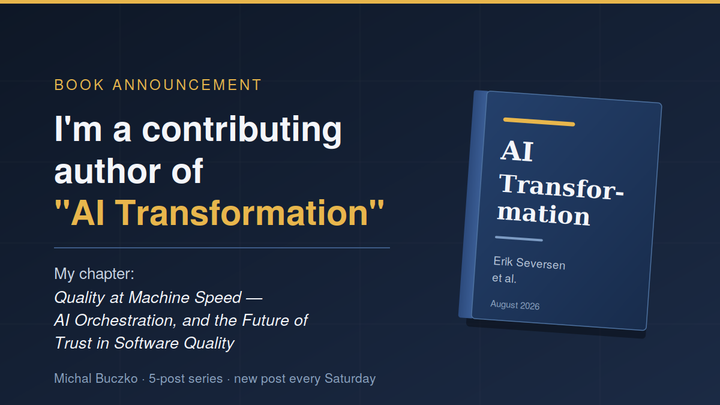
I Wrote a Chapter About Trust. A Machine Helped Me Test the Argument. Post 1 of 5 — announcing "AI Transformation" and my chapter, "Quality at Machine Speed". Some news I've been sitting on for a while: this August, I'm becoming a published book author.
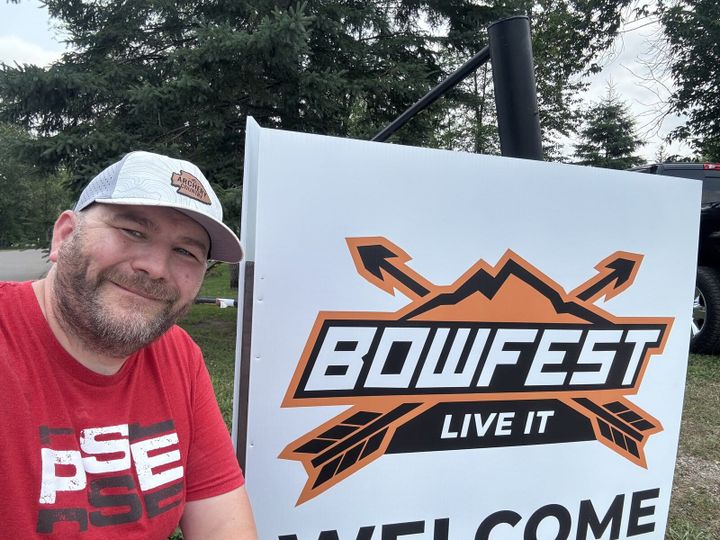
BowFest 2026: what a field full of archers told me that no test suite could BowFest 2026: what a field full of archers told me that no test suite could